Have you ever stopped while writing and asked yourself, “Should I use Was Or Were here?” You are not alone.
Many students, writers, and even professionals search for this keyword because English grammar can feel tricky. Both words come from the verb “to be.” Both talk about the past. But they are not used in the same way.
People often get confused when writing sentences like “I ___ happy” or “They ___ late.” Choosing the wrong word can make your sentence sound strange. It can also make your writing look less professional.
That is why so many people search for Was Or Were online. They want a quick answer. They want simple rules. And they want clear examples.
In this guide, you will learn the quick difference, the history behind these words, common mistakes, and how to use them in real life.
By the end, you will feel confident using Was Or Were in emails, essays, social media posts, and more.
Was Or Were – Quick Answer
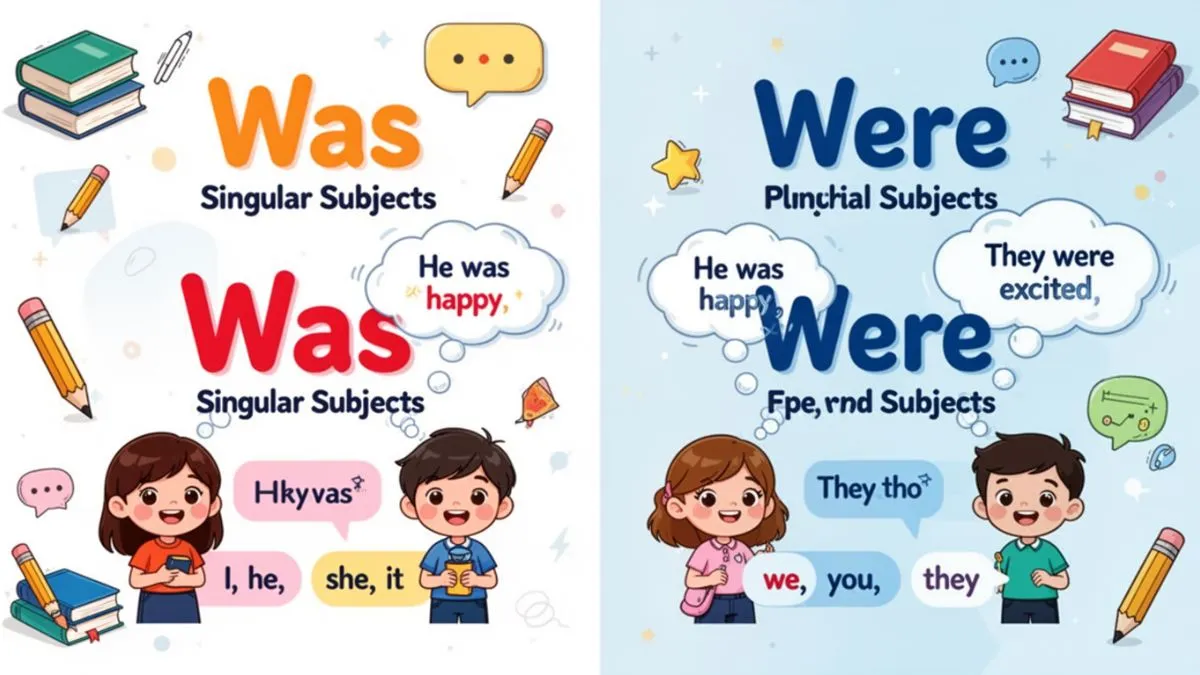
Was is used with singular subjects in the past.
Were is used with plural subjects in the past. It is also used with “you” and in unreal or imaginary situations.
Examples:
She was tired.
They were late.
The Origin of Was Or Were
The words Was Or Were come from Old English. They are past tense forms of the verb “to be.”
In Old English, different forms were used for singular and plural subjects. Over time, the language became simpler. But English kept two main past forms: was and were.
That is why spelling differences exist. English kept older grammar rules for clarity. Even today, we still follow the number rule:
- Singular → was
- Plural → were
Also, in formal English, were is used in unreal situations. This is called the subjunctive mood. For example: “If I were rich…”
British English vs American English Spelling
Good news! There is no spelling difference between British and American English for Was Or Were. The rules are the same.
Examples
- UK: The team was ready.
- US: The team was ready.
However, in British English, collective nouns (like team, family, staff) can sometimes take were.
- UK: The team were winning.
- US: The team was winning.
Comparison Table
| Situation | British English | American English |
| Singular subject | She was happy | She was happy |
| Plural subject | They were late | They were late |
| Collective noun | The team were ready | The team was ready |
Which Spelling Should You Use?
When choosing Was Or Were, think about your audience.
- Writing for the US → Follow American rules. Collective nouns usually take was.
- Writing for the UK or Commonwealth → Collective nouns may take were.
- Writing for a global audience → Use standard subject-verb agreement. Keep it simple.
If your subject is singular, use was.
If your subject is plural, use were.
This rule works almost everywhere.
Common Mistakes with Was Or Were
Here are common errors people make:
- ❌ They was late.
✔ They were late. - ❌ We was happy.
✔ We were happy. - ❌ If I was you, I would leave.
✔ If I were you, I would leave. - ❌ The dogs was barking.
✔ The dogs were barking. - ❌ You was wrong.
✔ You were wrong.
Remember: “You” always uses were, even if it is one person.
Was Or Were in Everyday Examples
Here is how Was Or Were appear in daily writing:
I was checking the report yesterday.
You were included in the meeting list.
News
The players were injured during the match.
The president was present at the event.
Social Media
We were so excited!
That movie was amazing!
Formal Writing
The results were published last week.
The experiment was successful.
Was Or Were – Google Trends & Usage Data
Search data shows that many users from the United States, United Kingdom, India, and Pakistan search for Was Or Were. Students often search it during exam season.
The keyword is popular because:
- It appears in school grammar lessons.
- It is common in daily speech.
- It is often tested in exams.
Globally, “was” is used more often because singular subjects are common. But “were” is also widely used, especially in plural sentences and conditional phrases.
Was Or Were – Comparison Table
| Form | Used With | Example |
| Was | I, He, She, It (singular) | She was happy. |
| Were | You, We, They (plural) | They were ready. |
| Were (subjunctive) | Unreal situations | If I were rich. |
FAQs About Was Or Were
1. Is it “I was” or “I were”?
It is I was because “I” is singular.
2. Is it “you was” correct?
No. Always say you were.
3. Why do we say “If I were you”?
Because it is an unreal or imaginary situation.
4. Can “were” be singular?
Yes, in subjunctive sentences like “If he were here.”
5. Is there a difference in US and UK usage?
The main difference is with collective nouns.
6. Which is more common, was or were?
“Was” is slightly more common in writing.
7. Are both past tense?
Yes. Both are past tense forms of “to be.”
Conclusion:
Understanding Was Or Were is simple when you know the main rule. Use was with singular subjects. Use were with plural subjects and with “you.” Also use were in imaginary situations like “If I were you.”
Many people search for this keyword because English grammar can be confusing. But once you see clear examples, the rule becomes easy. There is no spelling difference between British and American English. The only small difference is how collective nouns are treated.
If you want your writing to look correct and professional, always check your subject first. Ask yourself: Is it singular or plural? Then choose the correct form.
Now you can write emails, essays, posts, and reports without confusion. With practice, choosing between Was Or Were will feel natural and automatic.

I’m Jim Butcher, and this is my site, Grammlyx.com, where I share my work as an author. I am an expert in my craft, dedicated to delivering the best content.