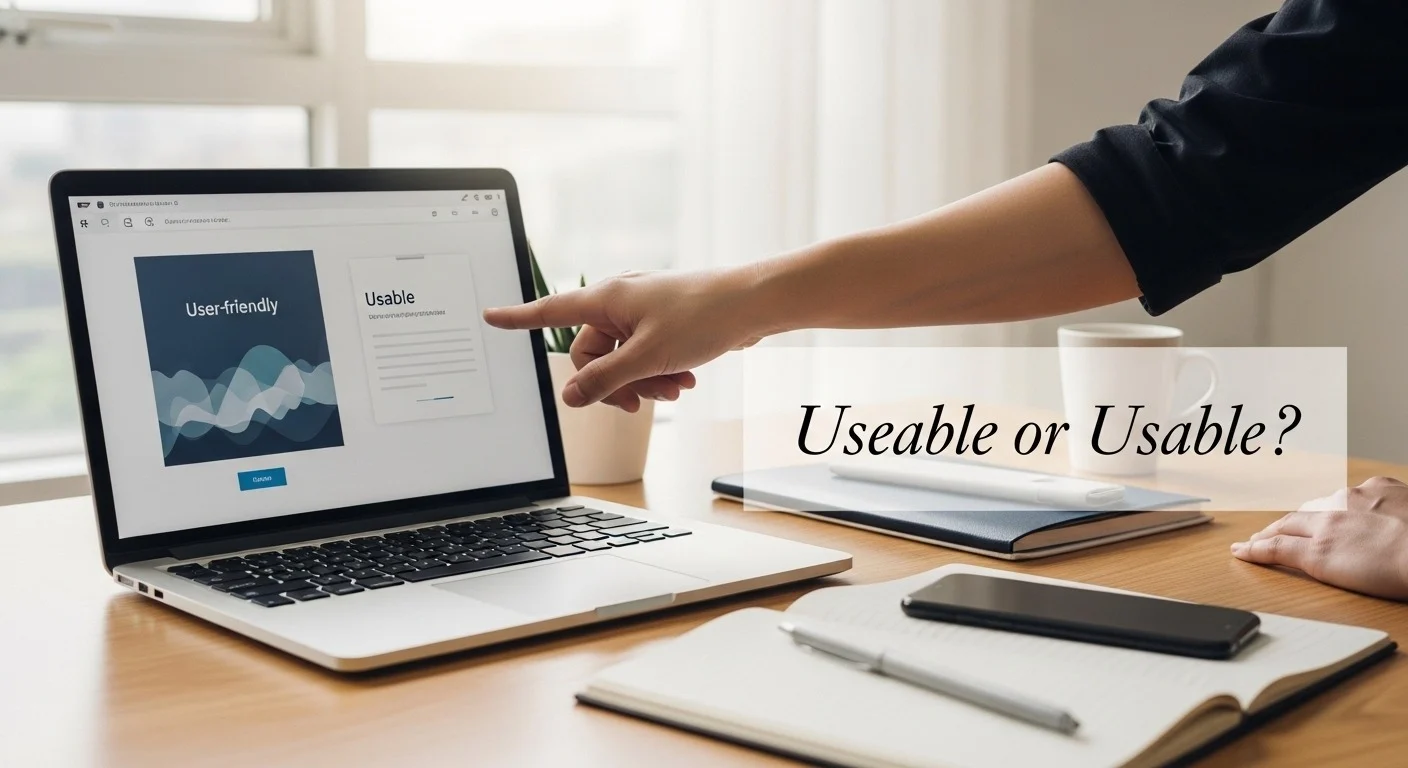
When it comes to writing correctly, small spelling differences can confuse even the most careful writers. One such example is “useable or usable”.
Many people wonder which spelling is correct, especially when writing emails, reports, or online content. Knowing the right form ensures your writing looks professional and polished.
This confusion arises because English has words ending in -able or -ible, and rules sometimes differ between British and American English.
Understanding the correct spelling can save you embarrassment and improve your readability.
In this article, we’ll explore the proper usage, the origin of the word, British vs. American spelling differences, common mistakes, and practical examples.
By the end, you’ll confidently know when to use usable or useable, depending on your audience.
Useable or Usable – Quick Answer
Quick Answer: The correct spelling is usable. While some older sources may show usability, it is considered less common and generally not preferred in modern English.
Example:
are shown in the next section.
Examples:
- The software is fully usable on both Windows and Mac systems.
- Please make sure the kitchen equipment is usable before the cooking class starts.
The Origin of Useable/Usable
The word usable comes from the verb “use” with the suffix -able, which means “capable of being used.” The -able suffix is common in English and originates from Latin -abilis, meaning “able to be.”
Historically, usable appeared occasionally in older texts, but over time, usable became the standard spelling in both dictionaries and professional writing.
British English vs American English Spelling
| Feature | British English | American English |
| Common spelling | usable (preferred) | usable (preferred) |
| Less common variant | useable (rare, old-fashioned) | useable (rare, old-fashioned) |
| General rule | Use -able after verbs ending in “e” | Same rule applies |
Note: While useable may still appear in some UK texts, usable is widely accepted in both regions.
Which Spelling Should You Use?
- For American audiences: Always use usable.
- For British audiences: Prefer usable, though older texts may show useable.
- Global writing: Stick to usable for clarity and professionalism.
Using usable consistently avoids confusion and maintains a polished writing style.
Common Mistakes with Useable/Usable
- Writing useable in professional emails → ❌ Should be usable
- Confusing usable with utility → ❌ Correct meaning: “capable of being used”
- Forgetting consistency → Always pick one spelling per document
Useable/Usable in Everyday Examples
Emails:
- “The attached file is usable for your presentation.”
News:
- “The park is now usable after renovations.”
Social Media:
- “This template is totally usable for beginners!”
Formal Writing:
- “Only data that is usable for analysis will be included in the report.”
Useable or Usable – Google Trends & Usage Data
According to Google Trends, usable is far more commonly searched and used globally, especially in the US, UK, Canada, and Australia. Searches for useable are rare and declining, indicating modern English prefers usable.
Comparison Table: Keyword Variations
| Variation | Frequency | Correctness | Notes |
| usable | High | ✅ Correct | Preferred worldwide |
| useable | Low | ⚠ Rare | Considered old-fashioned |
FAQs
1. Is “useable” wrong?
It’s not wrong but rare and old-fashioned. Usable is the preferred modern spelling.
2. Can I use “usable” in British English?
Yes, it’s widely accepted and preferred.
3. Does “usable” mean the same as “functional”?
Mostly yes, but usable focuses on being capable of use, while functional emphasizes working correctly.
4. Is there a rule for -able vs -ible?
Yes, -able usually follows verbs to form adjectives. Usable follows this rule.
5. Which is better for professional writing?
Always use usable for clarity and correctness.
6. Can “useable” appear in older books?
Yes, but it is now considered outdated.
7. How do I remember the correct spelling?
Think: “It is capable of being used → usable.”
Conclusion
In conclusion, while useable exists in older texts, usable is the modern, preferred, and correct spelling. Using usable ensures your writing is professional, clear, and universally understood. British and American English both favor usable, making it the safe choice for global communication. Avoid useable to prevent confusion or the appearance of outdated writing. Always apply usable consistently in emails, social media, formal reports, and publications. By following this guidance, you’ll write with confidence and accuracy every time.

I’m Jim Butcher, and this is my site, Grammlyx.com, where I share my work as an author. I am an expert in my craft, dedicated to delivering the best content.