Have you ever typed a sentence and stopped at one small word: Tieing Or Tying? It looks simple.
But it can cause real doubt. Many people search this keyword because they want to write correctly in emails, essays, blogs, or exams. One small spelling mistake can reduce trust in your writing.
The confusion often happens because most English verbs add -ing directly. For example, “walk” becomes “walking.” So people think “tie” should become “tieing.”
But English has special spelling rules. This article will clear that confusion in a simple way. You will get a quick answer, full explanation, comparison tables, common mistakes, and usage tips. By the end, you will never doubt Tieing Or Tying again.
Tieing Or Tying – Quick Answer
The correct spelling is Tying.
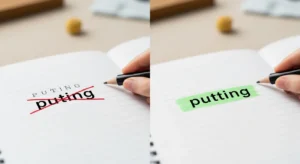
“Tieing” is incorrect in standard English. When a verb ends in -ie, we change ie to y before adding -ing.
Correct form: Tying
Incorrect form: Tieing
Examples:
- She is Tying her shoes.
- He is Tying a rope to the tree.
The Origin of Tieing Or Tying
The word “tie” comes from Old English and Germanic roots. It has been used for centuries to mean fastening or binding something.
The confusion in Tieing Or Tying comes from English spelling rules. Normally, we add -ing to verbs:
- Play → Playing
- Jump → Jumping
But verbs ending in -ie follow a different rule:
- Die → Dying
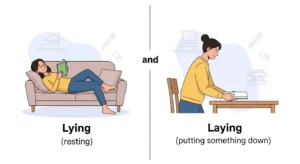
- Lie → Lying
- Tie → Tying
English changes ie to y to make pronunciation smooth. Writing “tieing” looks awkward and breaks this spelling rule. That is why dictionaries accept only Tying.
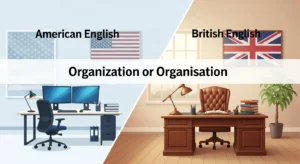
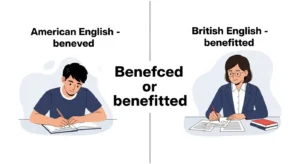
British English Vs American English Spelling
Some English words differ between British and American spelling, like:
| British English | American English |
| Colour | Color |
| Travelling | Traveling |
| Centre | Center |
But in the case of Tieing Or Tying, both British and American English use Tying only.
| Region | Correct Form | Incorrect Form |
| US | Tying | Tieing |
| UK | Tying | Tieing |
| Australia | Tying | Tieing |
| Canada | Tying | Tieing |
There is no regional difference here.
Which Spelling Should You Use?
You should always use Tying.
- Writing for a US audience? → Use Tying
- Writing for a UK audience? → Use Tying
- Writing globally? → Use Tying
There is no situation where “tieing” is correct in modern standard English. If you use it, spell-check tools will mark it as wrong.
Common Mistakes With Tieing Or Tying
Here are frequent errors people make:
- ❌ Tieing my shoes
✅ Tying my shoes - ❌ He was tieing a knot
✅ He was tying a knot - ❌ She kept tieing the ribbon
✅ She kept tying the ribbon
Main mistake: Forgetting the -ie to y rule.
Simple rule to remember:
If a verb ends in -ie, change it to y before adding -ing.
Tieing Or Tying In Everyday Examples
Here is how Tying is used in daily life:
Email:
“I am tying up the final details of the project.”
News:
“The player is tying his record for most goals.”
Social Media:
“Just tying my hair before gym!”
Formal Writing:
“The company is tying strategic partnerships this year.”
Notice that only Tying works naturally in all contexts.
Tieing Or Tying – Google Trends & Usage Data
Search data shows that many people type Tieing Or Tying because they are unsure. However, real usage strongly favors Tying.
- Tying is widely used in books, news, and academic writing.
- Tieing appears mostly as a spelling mistake.
Countries where this keyword is often searched:
- United States
- United Kingdom
- India
- Pakistan
- Canada
This shows learners and writers globally want clarity on this spelling.
Comparison Table – Tieing Or Tying
| Word | Correct? | Reason |
| Tieing | ❌ No | Breaks -ie spelling rule |
| Tying | ✅ Yes | Follows -ie to -y rule |
FAQs About Tieing Or Tying
1. Is Tieing ever correct?
No. It is considered incorrect in standard English.
2. Why do people write Tieing?
They forget the -ie to -y spelling rule.
3. Is Tying used in both US and UK English?
Yes. Both use Tying.
4. What is the rule for verbs ending in -ie?
Change -ie to -y before adding -ing.
5. Is Tying formal or informal?
It works in both formal and informal writing.
6. Does auto-correct fix Tieing?
Yes. Most tools change it to Tying.
7. Are there similar words like this?
Yes. Die → Dying, Lie → Lying.
Conclusion
The confusion around Tieing Or Tying is common but easy to solve. English spelling rules can feel tricky, especially when they change letters instead of simply adding endings. Many people assume that “tie” should become “tieing,” just like “jump” becomes “jumping.” But English has special patterns. When a verb ends in -ie, we replace ie with y before adding -ing. That is why the correct spelling is always Tying.
There is no difference between British and American English in this case. Both follow the same rule. Whether you are writing an email, blog, essay, or social media post, you should always use Tying. Remember this simple trick: -ie becomes -y before -ing. Once you learn this rule, you will also spell “dying” and “lying” correctly.
Now you can confidently choose the right spelling and avoid mistakes in your writing.
Meta Description (20 words):
Tieing Or Tying – Which Spelling Is Correct And Why It Matters
Have you ever typed a sentence and stopped at one small word: Tieing Or Tying? It looks simple. But it can cause real doubt. Many people search this keyword because they want to write correctly in emails, essays, blogs, or exams. One small spelling mistake can reduce trust in your writing.
The confusion often happens because most English verbs add -ing directly. For example, “walk” becomes “walking.” So people think “tie” should become “tieing.” But English has special spelling rules. This article will clear that confusion in a simple way. You will get a quick answer, full explanation, comparison tables, common mistakes, and usage tips. By the end, you will never doubt Tieing Or Tying again.
Tieing Or Tying – Quick Answer
The correct spelling is Tying.
“Tieing” is incorrect in standard English. When a verb ends in -ie, we change ie to y before adding -ing.
Correct form: Tying
Incorrect form: Tieing
Examples:
- She is Tying her shoes.
- He is Tying a rope to the tree.
The Origin of Tieing Or Tying
The word “tie” comes from Old English and Germanic roots. It has been used for centuries to mean fastening or binding something.
The confusion in Tieing Or Tying comes from English spelling rules. Normally, we add -ing to verbs:
- Play → Playing
- Jump → Jumping
But verbs ending in -ie follow a different rule:
- Die → Dying
- Lie → Lying
- Tie → Tying
English changes ie to y to make pronunciation smooth. Writing “tieing” looks awkward and breaks this spelling rule. That is why dictionaries accept only Tying.
British English Vs American English Spelling
Some English words differ between British and American spelling, like:
| British English | American English |
| Colour | Color |
| Travelling | Traveling |
| Centre | Center |
But in the case of Tieing Or Tying, both British and American English use Tying only.
| Region | Correct Form | Incorrect Form |
| US | Tying | Tieing |
| UK | Tying | Tieing |
| Australia | Tying | Tieing |
| Canada | Tying | Tieing |
There is no regional difference here.
Which Spelling Should You Use?
You should always use Tying.
- Writing for a US audience? → Use Tying
- Writing for a UK audience? → Use Tying
- Writing globally? → Use Tying
There is no situation where “tieing” is correct in modern standard English. If you use it, spell-check tools will mark it as wrong.
Common Mistakes With Tieing Or Tying
Here are frequent errors people make:
- ❌ Tieing my shoes
✅ Tying my shoes - ❌ He was tieing a knot
✅ He was tying a knot - ❌ She kept tieing the ribbon
✅ She kept tying the ribbon
Main mistake: Forgetting the -ie to y rule.
Simple rule to remember:
If a verb ends in -ie, change it to y before adding -ing.
Tieing Or Tying In Everyday Examples
Here is how Tying is used in daily life:
Email:
“I am tying up the final details of the project.”
News:
“The player is tying his record for most goals.”
Social Media:
“Just tying my hair before gym!”
Formal Writing:
“The company is tying strategic partnerships this year.”
Notice that only Tying works naturally in all contexts.
Tieing Or Tying – Google Trends & Usage Data
Search data shows that many people type Tieing Or Tying because they are unsure. However, real usage strongly favors Tying.
- Tying is widely used in books, news, and academic writing.
- Tieing appears mostly as a spelling mistake.
Countries where this keyword is often searched:
- United States
- United Kingdom
- India
- Pakistan
- Canada
This shows learners and writers globally want clarity on this spelling.
Comparison Table – Tieing Or Tying
| Word | Correct? | Reason |
| Tieing | ❌ No | Breaks -ie spelling rule |
| Tying | ✅ Yes | Follows -ie to -y rule |
FAQs About Tieing Or Tying
1. Is Tieing ever correct?
No. It is considered incorrect in standard English.
2. Why do people write Tieing?
They forget the -ie to -y spelling rule.
3. Is Tying used in both US and UK English?
Yes. Both use Tying.
4. What is the rule for verbs ending in -ie?
Change -ie to -y before adding -ing.
5. Is Tying formal or informal?
It works in both formal and informal writing.
6. Does auto-correct fix Tieing?
Yes. Most tools change it to Tying.
7. Are there similar words like this?
Yes. Die → Dying, Lie → Lying.
Conclusion:
The confusion around Tieing Or Tying is common but easy to solve. English spelling rules can feel tricky, especially when they change letters instead of simply adding endings. Many people assume that “tie” should become “tieing,” just like “jump” becomes “jumping.” But English has special patterns. When a verb ends in -ie, we replace ie with y before adding -ing. That is why the correct spelling is always Tying.
There is no difference between British and American English in this case. Both follow the same rule. If you are writing an email, blog, essay, or social media post, you should always use Tying. Remember this simple trick: -ie becomes -y before -ing. Once you learn this rule, you will also spell “dying” and “lying” correctly.
Now you can confidently choose the right spelling and avoid mistakes in your writing.

I’m Jim Butcher, and this is my site, Grammlyx.com, where I share my work as an author. I am an expert in my craft, dedicated to delivering the best content.