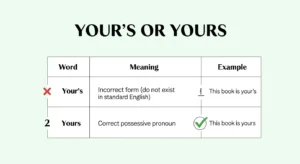
Many people struggle with the spelling of “receive or recieve.” It’s a common confusion in English because the pronunciation doesn’t reveal which letter comes first.
Misplacing i and e can make writing look unprofessional, especially in emails, essays, or official documents.
Understanding the correct spelling is essential for students, professionals, and anyone communicating in English online or offline.
This guide will clarify which form is correct, explain why the confusion exists, show examples, and give tips for remembering the right spelling.
By the end, you’ll know not only how to spell it properly but also why the error happens so often.
If you write for work, school, or social media, mastering this simple rule will save embarrassment and boost confidence.
Receive or Recieve – Quick Answer →
The correct spelling is “receive.” The version “recieve” is always incorrect.
Examples:
- I will receive your email tomorrow.
- She didn’t receive the package yet.
The Origin of Receive or Recieve →
The word “receive” comes from the Latin “recipere,” meaning “to take back” or “accept.” English borrowed it through Old French as receivre. The Latin origin explains why the spelling has “ei” instead of “ie.”
Spelling differences often arise because English absorbs words from multiple languages, keeping irregular patterns that don’t follow strict phonetic rules. That’s why “receive” follows the famous “i before e except after c” rule.
British English vs American English Spelling
Both British and American English use “receive.” There is no accepted variant “recieve” in either version. The confusion usually comes from phonetic assumptions or misremembering the rule.
Comparison Table:
| Form | British English | American English | Correct? |
| receive | ✅ Correct | ✅ Correct | Yes |
| recieve | ❌ Incorrect | ❌ Incorrect | No |
Remember: The “ei after c” rule helps you always choose receive.
Which Spelling Should You Use?
Use “receive” in all professional, academic, and online writing.
- US writers: Always spell receive.
- UK/Commonwealth writers: Also receive.
- Global audience: Stick to receive to avoid confusion.
Tip: If in doubt, remember “i before e except after c”—it works every time.
Common Mistakes with Receive or Recieve
- Recieve – ❌ Wrong → Correct: Receive
- Receve – ❌ Wrong → Correct: Receive
- Forgetting the “c” – ❌ Wrong → Correct: Receive
Frequent errors come from typing fast, phonetic assumptions, or forgetting the rule. Always double-check if unsure.
Receive or Recieve in Everyday Examples
- Email: “Please receive the attached document.”
- News article: “Residents will receive compensation for damages.”
- Social media: “I can’t wait to receive my new order!”
- Formal writing: “Applicants who receive approval will be notified via email.”
Receive or Recieve – Google Trends & Usage Data
Google searches show “receive” vastly outperforms “recieve.” Most searches for recieve are from people trying to correct their spelling.
- Top countries searching “receive” correctly: US, UK, Canada, Australia
- Context: Writing, email, spelling corrections, grammar guides
Keyword Variations Table:
| Variation | Usage Example | Correct? |
| receive | I will receive the gift tomorrow. | ✅ Yes |
| recieve | I will recieve the gift tomorrow. | ❌ No |
FAQs
- Is “recieve” ever correct?
❌ No, “recieve” is always wrong. - What is the easiest way to remember the spelling?
Use “i before e except after c”. - Do Americans spell it differently?
No, both US and UK English use receive. - Can “receive” be used in formal writing?
✅ Yes, it is correct in emails, reports, essays, and news. - Why do people confuse it with “recieve”?
Phonetic pronunciation and common typos lead to mistakes. - Are there other words with similar rules?
Yes: ceiling, deceive, perceive, receipt. - Is “recieve” accepted in informal writing?
❌ No, it is considered a spelling mistake even in casual texts.
Conclusion
The correct spelling is “receive.” Avoid “recieve” at all costs, as it is always considered incorrect. Remembering the “i before e except after c” rule will help you spell it right every time. This simple knowledge can prevent mistakes in emails, reports, assignments, and social media posts, boosting your credibility and professionalism.
writing for school, work, or daily communication, always stick with receive. Understanding its origin from Latin and observing the universal English spelling rules ensures you never confuse your readers. In short, receive is correct, practical, and safe to use in any context. With this guide, you can confidently write without worrying about typos or grammar corrections.

I’m Jim Butcher, and this is my site, Grammlyx.com, where I share my work as an author. I am an expert in my craft, dedicated to delivering the best content.