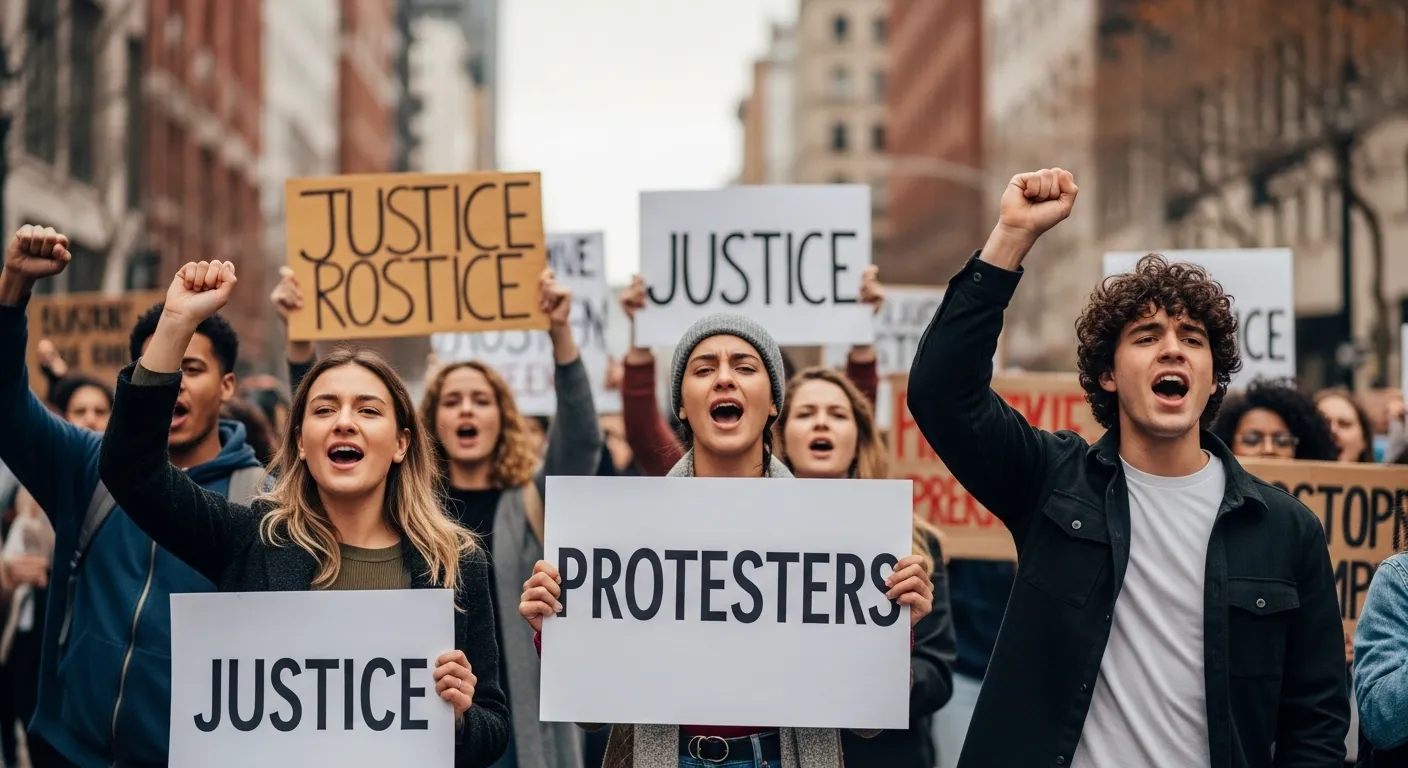
When it comes to describing people who take part in demonstrations, rallies, or public protests, many writers and speakers often wonder: should it be protestors or protesters? This confusion arises because both spellings exist, but they are not always used interchangeably.
Understanding the correct spelling is important for professional writing, news articles, and even casual social media posts.
People search for this keyword because they want to avoid embarrassing mistakes in writing, especially in journalism, academic work, or official communications. The confusion stems from British and American English differences, historical spelling variations, and the general rule of adding “-er” or “-or” to nouns describing people.
If you are writing a news article, sending an email, or posting online, knowing the correct form ensures your writing looks credible and polished. This guide clears up the mystery, explains the origin, compares British and American usage, and gives practical advice for choosing the correct spelling in any context.
Protestors or Protesters – Quick Answer
The most widely accepted spelling is protesters, especially in modern English.
- Example 1: Hundreds of protesters gathered at the city square to voice their opinions.
- Example 2: The protesters marched peacefully, demanding changes in policy.
Protestors is less common but sometimes used historically or in specific legal contexts.
The Origin of Protestors or Protesters
The word protest comes from the Latin protestari, meaning “to declare publicly or testify.”
- The -er ending became common in English to describe someone performing an action (e.g., “teacher,” “driver”).
- The -or ending comes from Latin influence and was historically used in formal or legal English.
Over time, protester became dominant in everyday English due to ease of pronunciation and consistency with other words ending in “-er.”
British English vs American English Spelling
While both protestor and protester exist in British English, protester is preferred in both British and American English today. American English generally standardizes the “-er” ending for most nouns describing people.
| Aspect | British English | American English |
| Common Spelling | Protester | Protester |
| Alternative | Protestor (less common) | Rarely used |
| Example | The protesters marched through London. | The protesters rallied in New York. |
Which Spelling Should You Use?
- Use “protester” in almost all contexts. It’s standard in journalism, online content, and formal writing.
- Protestor may appear in legal documents or historical texts, but it’s rare.
Audience Advice:
- US writers: Always use protester.
- UK & Commonwealth: Protester is preferred, though protestor may appear occasionally in older texts.
- Global audiences: Stick with protester for clarity.
Common Mistakes with Protestors or Protesters
- Using protestors in modern news articles → Correct: protesters
- Confusing with other “-or/-er” words → Use consistent “-er” endings for people (e.g., worker, teacher)
- Misspelling in social media → Always double-check for credibility
Protestors or Protesters in Everyday Examples
- Email: “We noticed several protesters outside the office this morning.”
- News: “Protesters gathered in front of the parliament building.”
- Social Media: “Thousands of protesters are joining the climate strike today.”
- Formal Writing: “The report documented the actions of peaceful protesters over the past week.”
Protestors or Protesters – Google Trends & Usage Data
- Protester is far more commonly searched worldwide than protestor.
- Countries with highest usage: US, UK, Canada, Australia.
- Context: Most searches relate to political demonstrations, environmental rallies, and social movements.
| Keyword | Global Popularity | Example Search |
| Protester | High | “Climate protesters near me” |
| Protestor | Low | “Legal protestor definition” |
FAQs
1. Is “protestor” incorrect?
Not strictly, but it is uncommon and mostly historical or legal. Protester is preferred.
2. Can I use “protester” in legal documents?
Yes, it is acceptable and widely recognized.
3. Which is more common in journalism?
“Protester” dominates in newspapers and online media.
4. Is “protesters” plural of “protester”?
Yes, just add -s for the plural.
5. Are “protestor” and “protester” pronounced differently?
No, they sound the same. The difference is only in spelling.
6. Why do some dictionaries list both?
Historical reasons and regional variations allow “protestor” as a secondary form.
7. Can “protestor” be used in academic writing?
It is rare; always prefer “protester” for clarity.
Comparison Table: Keyword Variations
| Variation | Usage | Preference |
| Protester | Modern English, journalism, social media | ✅ Preferred |
| Protestor | Historical, legal, less common | ⚠️ Optional |
Conclusion
In summary, while protestor exists as a historical or legal variant, protester is the universally accepted spelling in modern English. Whether you are writing for an American, British, or global audience, using protester ensures clarity and credibility. Remember, consistency is key, always stick with one spelling within a document or article.
Understanding the origin of the word helps: derived from Latin protestari, it has evolved into the simpler -er ending in everyday English. British English might still list “protestor” as a secondary option, but global usage favors “protester.” Misusing “protestor” in social media, news, or emails may appear outdated or unprofessional.
For writers, journalists, and students, the takeaway is simple: use “protester” in most contexts, be aware of exceptions in legal or historical texts, and apply the spelling consistently. In digital communications, search engines, and Google Trends, protester dominates. This ensures your writing is clear, credible, and resonates with readers worldwide.

I’m Jim Butcher, and this is my site, Grammlyx.com, where I share my work as an author. I am an expert in my craft, dedicated to delivering the best content.