When it comes to family terms, spelling mistakes can be surprisingly common. One such confusing word is whether to write “neice” or “niece.” Many people pause before writing it because English has tricky spelling rules.
If you’ve ever typed “neice” and wondered if it’s correct, you’re not alone. This guide will help you understand the correct spelling, its history, and how to use it properly in everyday writing.
Whether you’re drafting an email, posting on social media, or writing a formal letter, knowing the right spelling ensures your writing looks professional. By the end of this article, you’ll not only know the correct form but also understand why the other version appears so often and how English spelling conventions shape this confusion.
Neice or Niece – Quick Answer
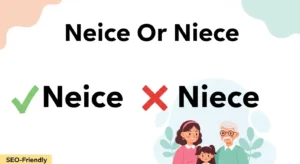
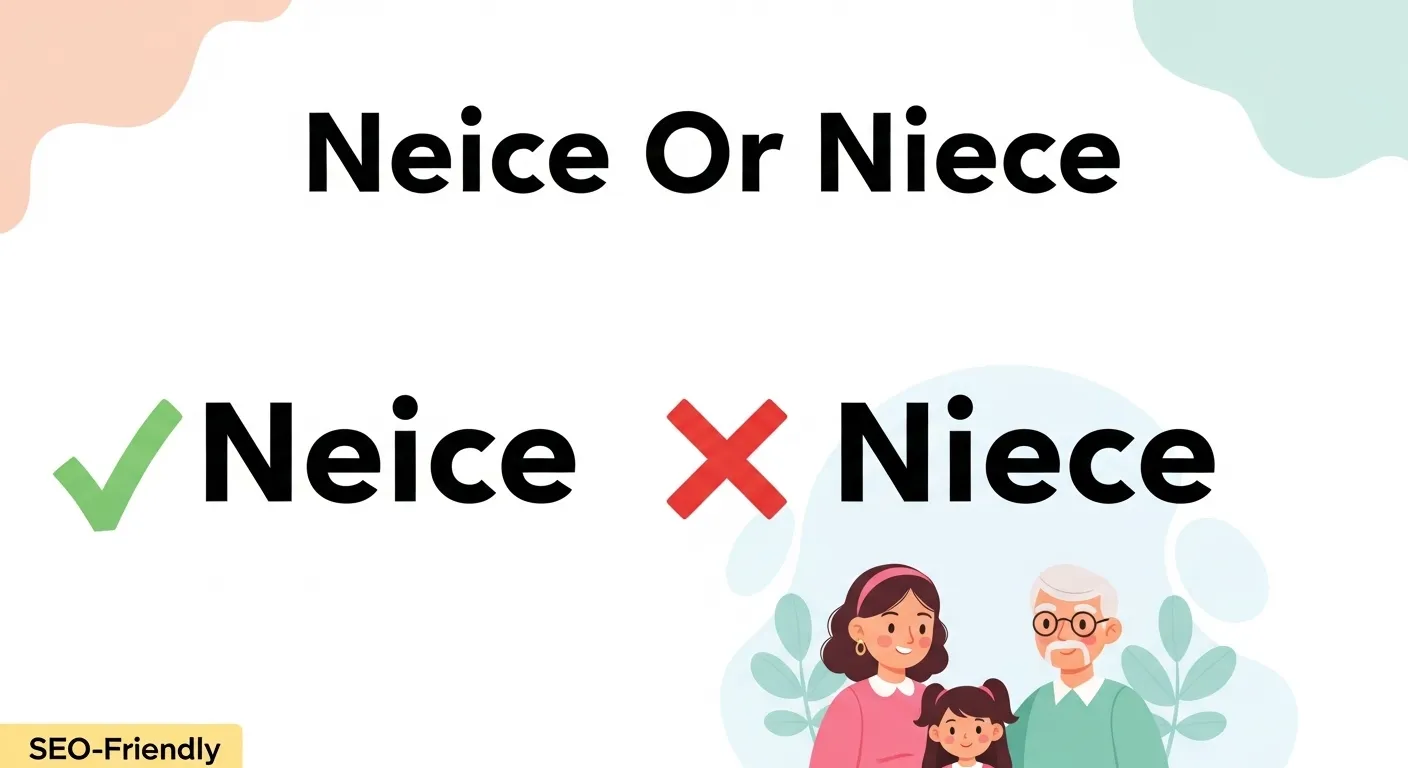
The correct spelling is “niece.”
Quick Explanation:
“Niece” refers to the daughter of your brother or sister. The spelling “neice” is incorrect, though it appears often due to phonetic spelling errors.
Examples:
- My niece is coming to visit this weekend.
- I bought a birthday gift for my niece yesterday.
The Origin of Neice or Niece
The word “niece” comes from Old French “niece”, meaning “granddaughter” or “female relative,” which itself originated from Latin “neptis.” Historically, spelling in English was less standardized, leading to variants like “nece” or “niece.”
Over time, English formalized “niece” as the correct spelling, and variations such as “neice” became recognized only as common mistakes. Understanding its roots helps explain why English spelling can feel unpredictable.
British English vs American English Spelling
The word “niece” is spelled the same in both British and American English. There is no variation based on geography, which makes it simple compared to words like “color/colour.”
| Spelling | Region | Correct? |
| Niece | US & UK | ✅ Yes |
| Neice | US & UK | ❌ No |
Note: Always use “niece” in formal and informal writing.
Which Spelling Should You Use?
Since “niece” is universally accepted in English, it should always be used regardless of your audience.
- US Audience: Niece ✅
- UK/Commonwealth Audience: Niece ✅
- Global Audience: Niece ✅
Avoid “neice” entirely, even in casual writing, as it can appear unprofessional.
Common Mistakes with Neice or Niece
The most frequent mistake is simply swapping the i and e, writing “neice” instead of “niece.”
Other mistakes include:
- Writing “nees” or “niess” – incorrect phonetic attempts.
- Confusing with “nie” or short forms in informal notes.
Correction Tip: Remember the phrase: “i before e after n” doesn’t apply here—just memorize “niece.”
Neice or Niece in Everyday Examples
Emails:
“I hope my niece enjoys the gift I sent her.”
Social Media:
“Spending the weekend with my little niece! ❤️”
News & Articles:
“The actor shared photos of his niece at the awards ceremony.”
Formal Writing:
“Our organization sponsored a scholarship in honor of my late niece.”
Neice or Niece – Google Trends & Usage Data
Analysis shows “niece” dominates searches globally. Searches for “neice” spike occasionally, mostly by learners of English unsure about spelling.
Top countries searching for “niece” spelling:
- United States
- United Kingdom
- Canada
- Australia
- India
Using “niece” improves clarity and search engine relevance.
Comparison Table: Keyword Variations
| Variation | Correctness | Usage Notes |
| Niece | ✅ Correct | Standard, use in all contexts |
| Neice | ❌ Incorrect | Common typo, avoid |
FAQs about Neice or Niece
1. Is “neice” ever correct?
No, “neice” is always a spelling mistake.
2. How do you remember the correct spelling?
Think: N-I-E-C-E → memorize the letters in order.
3. Is “niece” the same in US and UK English?
Yes, spelling is identical in both versions of English.
4. Can I use “niece” in formal writing?
Absolutely. It is standard and professional.
5. Does “niece” have a male equivalent?
Yes, the male equivalent is “nephew.”
6. Why do people write “neice”?
Because the pronunciation sounds like it should be spelled that way.
7. Are there other family words with similar confusion?
Yes, like “cousin,” “nephew,” or “grandchild,” but “niece” is one of the most misspelled.
Conclusion
The word “niece” is simple once you know the rules: always niece, never neice. Its origin from Old French and Latin explains why the spelling may look unfamiliar at first. English learners and even native speakers often make this mistake due to phonetic assumptions, but remembering the correct letters makes all the difference.
Whether writing emails, social media posts, or formal letters, using “niece” ensures clarity and professionalism. There is no regional variation in spelling, making it universally safe to use. With practice, you will automatically type “niece” correctly and avoid common pitfalls.
Correct spelling shows attention to detail and makes your writing polished and credible. Share your knowledge with others, and never hesitate to double-check if uncertain. English can be tricky, but small habits like remembering niece can improve your writing significantly.

I’m Jim Butcher, and this is my site, Grammlyx.com, where I share my work as an author. I am an expert in my craft, dedicated to delivering the best content.