Many people wonder whether to write “colour” or “color”. This confusion is common because English has multiple spelling standards.
Some spellings are influenced by British English, while others follow American English. Knowing which version to use is important for writing professionally, especially for emails, blogs, social media posts, and official documents.
Understanding the difference helps you avoid mistakes and ensures your writing fits the expectations of your audience.
For example, a British reader may find “color” unusual, while an American reader may see “colour” as outdated.
This article explains the origin of both spellings, when to use them, common errors, and real-life examples.
If you are a student, content writer, or professional, learning the correct usage of “colour” and “color” will improve your writing and readability.
Colour or Color – Quick Answer
Quick Answer:
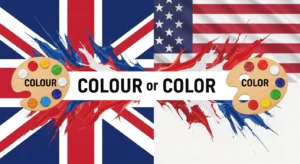
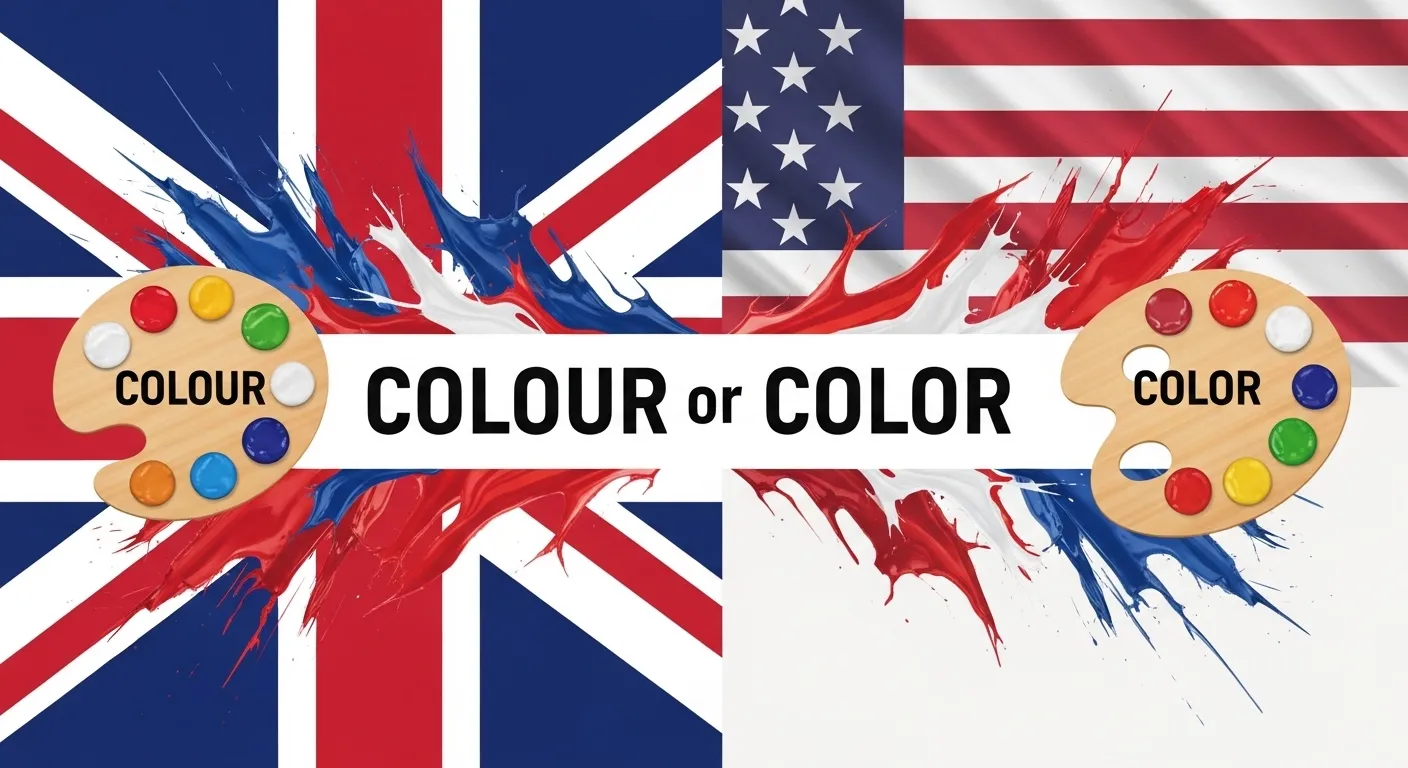
Both “colour” and “color” are correct spellings of the same word. The difference comes from regional English preferences: “colour” is British English, and “color” is American English.
Examples:
- She painted her room in a bright colour.
- The flag’s color is red, white, and blue.
The Origin of Colour or Color
The word comes from the Latin “color”, meaning hue or appearance. During the 17th century, English spelling wasn’t standardized, leading to variations. British English kept the French-influenced spelling “colour”, while Noah Webster, an American lexicographer, simplified it to “color” in the early 19th century to standardize American English.
This historical difference explains why both spellings exist today. It’s not a mistake but a matter of regional convention.
British English vs American English Spelling
British English and American English often differ in spelling. Here’s a simple comparison for colour/color:
| Feature | British English | American English |
| Spelling | colour | color |
| Favourite | favourite | favorite |
| Neighbour | neighbour | neighbor |
| Centre | centre | center |
| Defence | defence | defense |
Example Sentences:
- British: The sky has many shades of colour.
- American: The sky has many shades of color.
Which Spelling Should You Use?
- Use “colour” if writing for UK, Canada, Australia, New Zealand, or other Commonwealth countries.
- Use “color” if writing for the US or American audiences.
- For global or neutral content, choose the spelling consistent with your target audience.
Consistency is more important than which spelling you choose. Mixing both can look unprofessional.
Common Mistakes with Colour or Color
- Incorrect: I love the colorful flowers. (British audience might expect “colourful”)
- Correct British: I love the colourful flowers.
- Correct American: I love the colorful flowers.
Other frequent mistakes:
- Using color in UK formal writing.
- Writing colour in American legal or academic documents.
- Mixing spellings within the same text.
Colour or Color in Everyday Examples
Emails:
- British: Please choose your preferred colour for the report charts.
- American: Please choose your preferred color for the report charts.
News Articles:
- The British press often uses colour for artistic or descriptive writing.
Social Media:
- Influencers use both spellings depending on audience location:
- “Love this dress’s colour!” (UK)
- “Love this dress’s color!” (US)
Formal Writing:
- Always use the correct regional spelling for reports, essays, and official documents.
Colour or Color – Google Trends & Usage Data
Search trends show that:
- Color dominates searches in the US.
- Colour dominates searches in the UK, Canada, and Australia.
Example: According to Google Trends, “color” receives more than 5M searches in the US per month, while “colour” gets over 1M in the UK. This reflects audience preference for spelling in different regions.
Colour vs Color – Comparison Table
| Keyword | Region | Usage Example |
| colour | UK/Commonwealth | She painted her room in a bright colour. |
| color | US | She painted her room in a bright color. |
FAQs
1. Is colour the same as color?
Yes, they are the same word; the difference is regional.
2. Why do Americans write color instead of colour?
Noah Webster simplified British spellings in the 19th century for American English.
3. Can I use colour in the US?
It’s understood but considered British; consistency matters in professional writing.
4. Which spelling is better for international audiences?
Choose the spelling that matches your primary audience. For global audiences, either is fine if used consistently.
5. How do I remember which is British or American?
British English often keeps the “u” in words like colour, favour, and honour. American English drops it.
6. Are there other words with similar differences?
Yes: flavour/flavor, honour/honor, neighbour/neighbor.
7. Does spelling affect SEO?
Yes, use the spelling your audience searches for. American audiences usually search for color, while UK audiences prefer colour.
Conclusion
Understanding colour vs color helps writers maintain professionalism and connect with their audience.
While both spellings are correct, the choice depends on geography and audience expectations.
British English favors colour, American English favors color, and global content can adopt either consistently.
Avoid mixing spellings in the same document to prevent confusion. Real-life examples in emails, social media, news, and formal writing show that awareness of your audience is crucial.
If creating content for the web, writing academic essays, or sending professional emails, knowing the difference improves clarity and credibility.
Remember, the historical origin, Google search trends, and regional preferences all guide proper usage.
By following these simple rules, you can confidently use colour or color without errors and make your writing audience-appropriate.

I am John Grisham, a bestselling author known for thrilling legal dramas that captivate millions. Discover more about my work at my site, Grammlyx.com.