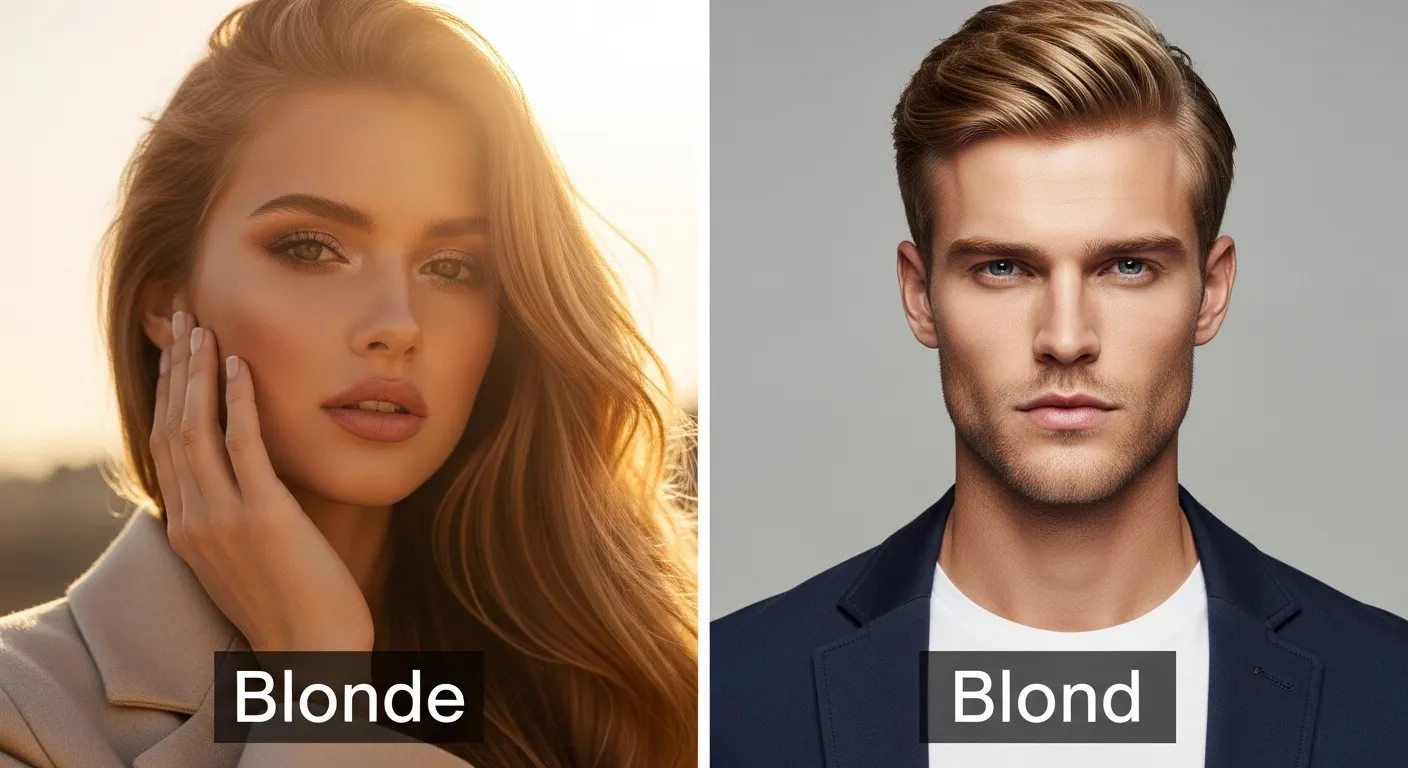
The keyword Blonde Or Blond often confuses writers, students, and content creators. At first glance, both words look almost the same, but their usage can change depending on grammar rules, gender, and writing style.
This small spelling difference creates big uncertainty in writing, especially in blogs, social media captions, and professional content.
People search for Blonde Or Blond because they want to know which spelling is correct and when to use each form.
For example, should you write “blonde hair” or “blond hair”? Should it change if you describe a person instead of a hairstyle? These questions are very common in English learning and SEO writing.
The confusion exists because English borrowed this word from French, where gender rules affect spelling. Over time, English simplified some rules but still keeps both forms in use.
Understanding the difference helps you write more clearly and avoid grammar mistakes in both casual and professional content.
This guide explains meaning, history, usage rules, and real examples of Blonde Or Blond in simple language.
Blonde Or Blond – Quick Answer
The term Blonde Or Blond refers to light-colored hair or a person with light hair.
- Blonde → Often used for females or as a noun (a blonde woman)
- Blond → Often used for males or as an adjective (blond hair)
In modern English, “blond” is becoming more neutral and commonly used for in some style guides.
Examples:
- She has blonde hair.
- He is a blond actor with blue eyes.
The Origin Of Blonde Or Blond
The words Blonde Or Blond come from Old French.
In French, adjectives change based on gender:
- “Blond” (male form)
- “Blonde” (female form)
English borrowed both spellings but kept some of the original gender-based structure. Over time, English speakers began using both forms, sometimes with strict rules and sometimes without.
Today, many modern style guides simplify usage, but the historical difference still influences writing.
British English Vs American English Spelling
The difference in Blonde Or Blond is not only about gender but also about style guides.
American English often uses:
- Blond for males and general adjective use
- Blonde mainly for females or as a noun
British English is more flexible and often uses:
- Blonde for both noun and adjective in casual writing
- Blond less frequently, mostly in technical or older usage
Comparison Table
| Usage Type | American English | British English |
| Male hair | Blond | Blond / Blonde |
| Female hair | Blonde | Blonde |
| General adjective | Blond | Blonde |
| Noun (person) | Blonde | Blonde |
Which Spelling Should You Use?
Choosing between Blonde Or Blond depends on your audience and tone.
If you are writing for modern blogs or global readers, using blonde for people and hair is widely accepted.
If you follow strict American style rules, use:
- Blond (male / adjective)
- Blonde (female / noun)
Common Mistakes With Blonde Or Blond
Writers often misuse Blonde Or Blond in simple ways.
1. Using one spelling for everything
Not all contexts are the same. Gender and usage matter in traditional rules.
2. Overthinking modern usage
Many readers accept flexible usage today.
3. Mixing styles in one article
Consistency is important for readability.
Correct example:
- She has blonde hair, and he is a blond model.
Incorrect example:
- She has blond hair and he is a blonde model (mixed style without reason)
Blonde Or Blond In Everyday Examples
The keyword Blonde Or Blond appears in daily communication.
“Please update the profile picture of the blonde candidate.”
News
“The blond actor starred in the new movie release.”
Social Media
“Loving this blonde hairstyle trend!”
Formal Writing
“The study included both blond and blonde participants based on traditional classification.”
Blonde Or Blond – Google Trends & Usage Data
Search trends show that blonde is far more popular globally.
- “Blonde” is widely used in fashion, beauty, and media.
- “Blond” appears more in grammar guides and linguistic contexts.
Countries like the United States, United Kingdom, and Australia mostly search for blonde hairstyles, blonde hair color, and blonde celebrities.
This makes “blonde” the dominant SEO keyword in online content today.
Usage Comparison Table
| Variation | Meaning | Popularity |
| Blonde | Hair color / female noun | Very high |
| Blond | Male adjective / technical use | Medium |
| Blonde hair | Hair description | Very high |
| Blond hair | Less common variant | Low to medium |
FAQs About Blonde Or Blond
1. Is Blonde Or Blond Correct?
Yes, both are correct depending on context and style rules.
2. Which Spelling Is More Common?
Blonde is more common in modern English writing.
3. Can Blond Be Used For Females?
Traditionally no, but modern usage sometimes allows it.
4. What Does Blonde Mean?
It refers to light-colored hair, usually yellow or golden tones.
5. Is Blond Old Fashioned?
Not exactly, but it is less common in casual writing today.
6. Which Is Better For SEO?
Blonde performs better in search engines due to higher usage.
7. Do Style Guides Still Separate Them?
Some formal guides still follow gender-based rules, but many are flexible now.
Conclusion
The confusion around Blonde Or Blond comes from its French origin and English adaptation. Both forms are correct, but their usage depends on grammar tradition, gender rules, and modern flexibility.
In today’s writing, blonde is the most widely accepted and searched form, especially in beauty, fashion, and media content. Meanwhile, blond still appears in formal grammar explanations and specific style guides.
The key takeaway is simple: use “blonde” for most modern writing, and only use “blond” when following strict grammatical or stylistic rules.
Understanding this difference helps you write more clearly, improve SEO performance, and avoid common language mistakes.
By mastering Blonde Or Blond, you can create content that feels natural, professional, and easy for readers to understand across all platforms.

I am John Grisham, a bestselling author known for thrilling legal dramas that captivate millions. Discover more about my work at my site, Grammlyx.com.