Choosing the correct spelling of armor or armour can be confusing. People often wonder why there are two versions of the same word and which one to use in writing.
This question comes up in emails, academic writing, social media, and professional documents. Knowing the difference can help you appear more accurate and professional.
If you’re writing for a US audience, you likely use armor, while a UK or Commonwealth audience will expect armour.
Understanding the history and rules behind these spellings will save you from embarrassing mistakes.
In this guide, we will explain the quick answer, the origin of the word, spelling differences, common mistakes, and practical usage examples.
By the end, you’ll know exactly which version fits your audience and how to avoid common errors.
Armor or Armour – Quick Answer
The quick answer is:
- Armor – used in American English
- Armour – used in British English and most Commonwealth countries
Examples:
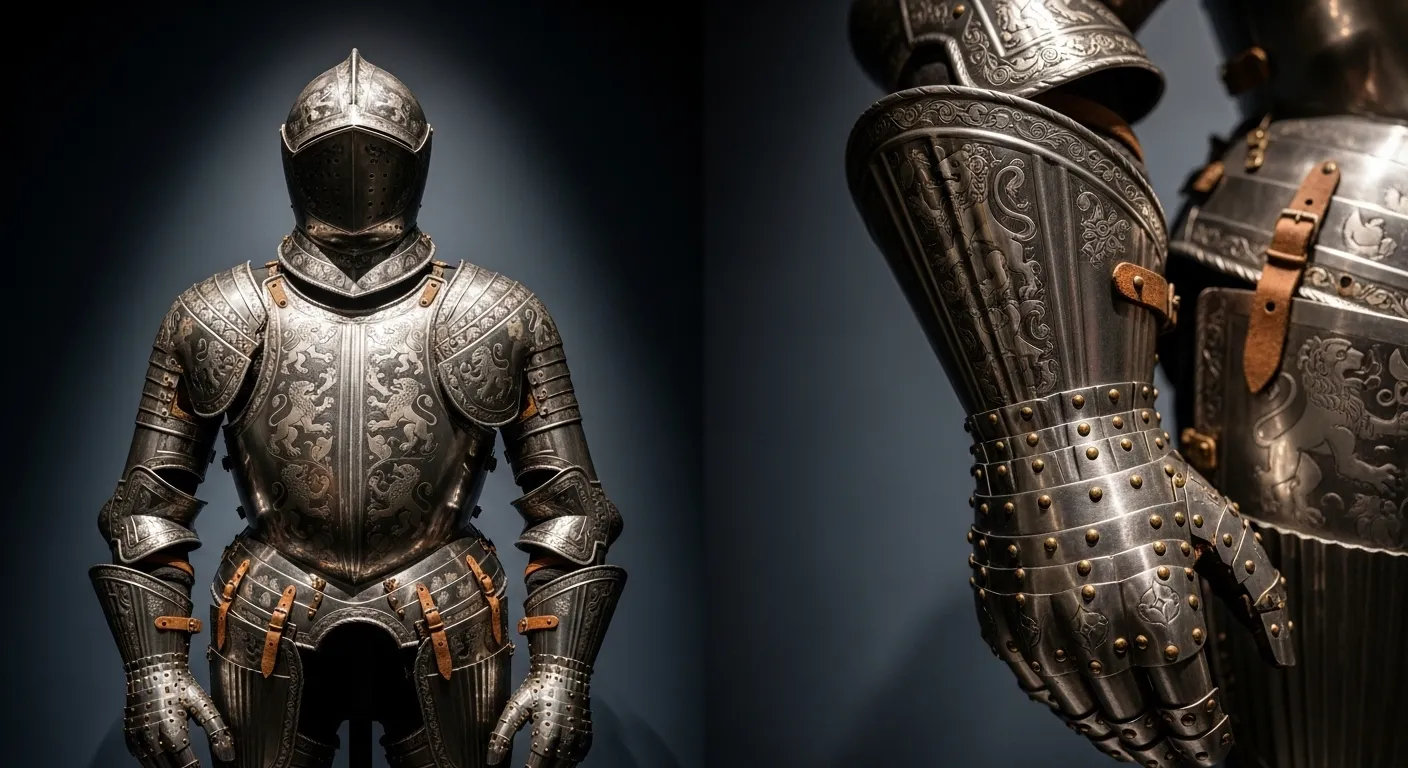
- The knight wore shiny armor during the battle.
- The museum displayed medieval armour from the 15th century.
The Origin of Armor or Armour
The word comes from the Old French “armure”, which itself originates from Latin “armatura”, meaning equipment or defensive gear. The spelling armour was traditionally used in English, but when Noah Webster reformed American spelling in the 19th century, many “-our” endings were simplified to “-or” to make spelling more phonetic.
That’s why armor is the standard American spelling, while armour remains correct in British English. The difference reflects historical spelling reforms, not changes in meaning.
British English vs American English Spelling
The main difference is the -our vs -or ending.
| Word | British English | American English |
| Armor/Armour | Armour | Armor |
| Colour/Color | Colour | Color |
| Honour/Honor | Honour | Honor |
| Labour/Labor | Labour | Labor |
| Favour/Favor | Favour | Favor |
Which Spelling Should You Use?
- Use Armor if your audience is in the United States.
- Use Armour if your audience is in UK, Canada, Australia, or other Commonwealth countries.
- Global content: Choose based on your primary audience. If unsure, default to American English for international websites.
Common Mistakes with Armor or Armour
- Mixing the two spellings in a single document.
- ❌ Incorrect: The knight’s armor looked like traditional armour.
- ✅ Correct: The knight’s armor looked impressive. (US)
- Using British spelling in US-based websites can confuse readers.
- Assuming “armor” only refers to medieval clothing – it can also mean modern protective gear.
Armor or Armour in Everyday Examples
- Emails: “Please ensure all employees wear protective armor during training.”
- News: “The soldiers’ armour was displayed in the museum.”
- Social Media: “Check out my new gaming armor in Fortnite!”
- Formal Writing: “Historical armour from the 16th century shows craftsmanship of the era.”
Armor or Armour – Google Trends & Usage Data
- Armor dominates searches in the US, Mexico, and other American English regions.
- Armour is more common in the UK, Canada, Australia, and New Zealand.
- Globally, armor sees slightly higher usage due to American English dominance on the internet.
Comparison Table
| Keyword Variation | Usage Region | Common Context |
| Armor | United States | Military, gaming, safety gear |
| Armour | UK, Commonwealth | Historical, literature, museum exhibitions |
FAQs
- Q: Is “armor” wrong in British English?
A: Yes, the correct British spelling is armour. - Q: Can I use “armour” in the US?
A: It’s understood but looks unusual to American readers. - Q: Does the meaning change between armor and armour?
A: No, only the spelling changes; the meaning is the same. - Q: What about digital content or gaming?
A: Follow the audience’s English variant. US games usually use armor. - Q: Can I switch between the spellings?
A: Avoid switching in a single text to maintain professionalism. - Q: Are there other words like this?
A: Yes, like colour/color, favour/favor, honour/honor. - Q: Is “armored” different?
A: Only the suffix changes: American English armored, British English armoured.
Conclusion:
Knowing If to use armor or armour is crucial for writing clearly and professionally. The rule is simple:
American audiences expect armor, while British and Commonwealth audiences use armour.
Both words share the same meaning and history but differ in spelling due to historical reforms in American English.
Being consistent is key. Mixing spellings or using the wrong variant for your audience can reduce credibility.
By understanding the origin, trends, and correct usage, you can confidently apply the right spelling in emails, articles, and social media.
Remember, armor is American, armour is British, and your choice should match your audience.

I am John Grisham, a bestselling author known for thrilling legal dramas that captivate millions. Discover more about my work at my site, Grammlyx.com.